The countdown has begun!!
With the CBSE class 10 board exams 2026 starting from 17 February 2026, there’s very little time left, and it matters more than you think. Look, this is not the moment for panic, late-night cramming, or trying to master a whole new chapter. What really matters now is revising the syllabus effectively, presenting answers clearly, managing time confidently, and staying calm.
These CBSE exam tips can significantly impact your performance. Drop the idea of studying harder and switch to studying smarter.
Let’s dive into practical and proven CBSE class 10 board exam tips that can help you perform at your best!
When time is limited, strategy becomes everything. One of the smartest tips for the CBSE board exam class 10 is to revise high-weightage chapters and frequently asked topics first. Every subject has those chapters that teachers and question papers never skip. Give those your maximum attention right now.
Also, align the subject revision with the CBSE Class 10 Board Exam Date Sheet 2026 so that the upcoming subjects get priority. This approach ensures you get maximum marks in the minimum time.
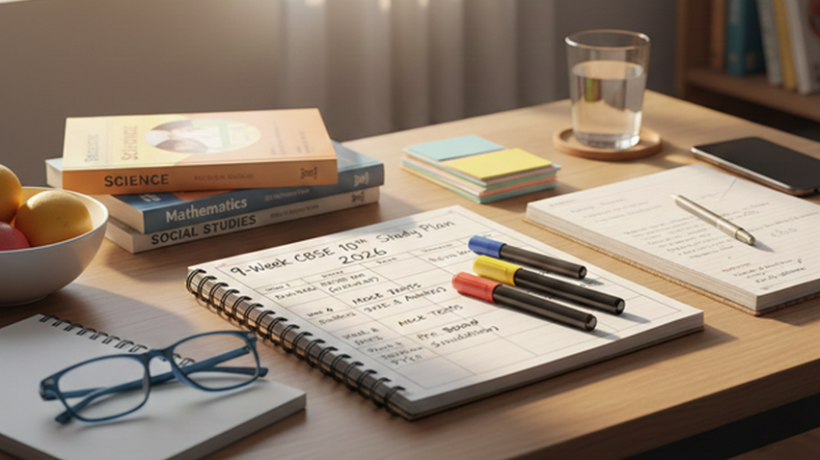
Random studying can increase exam anxiety. A timed revision plan will enhance productivity. Here’s how you can do it wisely:
These practical CBSE Class 10 exam revision tips help maintain retention without exhaustion. A clear revision timetable with focused hours boosts your confidence during your board exam preparation. Remember, the exam is not about studying for long hours; a few dedicated hours daily can help a lot.
A very common mistake that students make during last-minute preparation is starting a new chapter. Honestly, it often leads to confusion and reduces confidence in already prepared topics. Now is the time to focus on mastering what you already know.
Turn that 70-80% claity into near perfection. Go through the examples in your NCERT books, especially for subjects like Mathematics and Science, and refine your long answers in social science and language subjects. Follow the new CBSE board exam rules for Class 10 and focus on conceptual clarity.
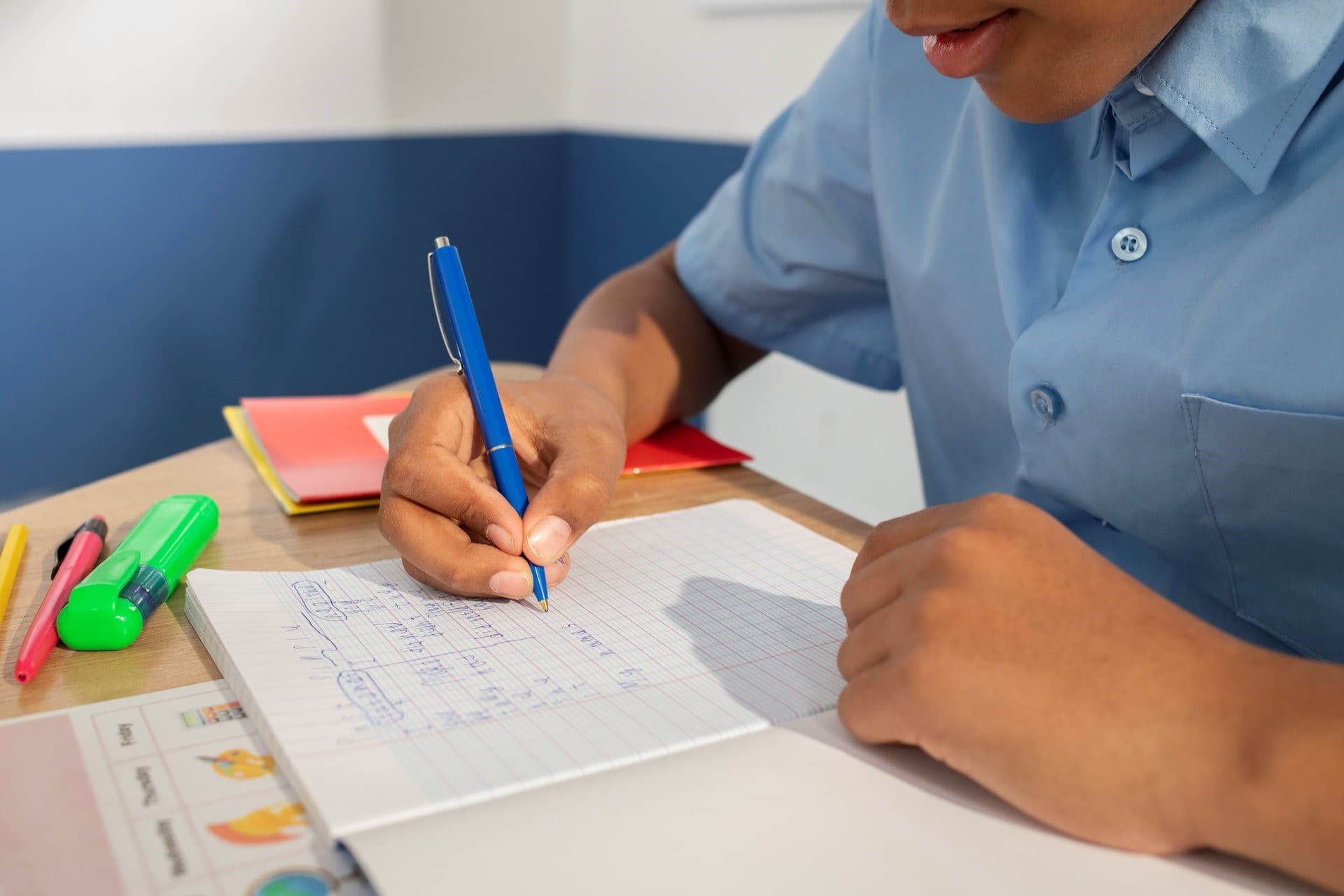
There’s a world of difference in knowing the answer and actually scoring full marks. Presentation and structure matter too. Follow practical CBSE board exam writing tips, such as writing in points instead of long paragraphs, underlining important keywords, leaving proper spacing between answers, and properly labelling diagrams.
These subtle yet powerful CBSE board exam paper writing presentation tips can significantly help you grab extra marks without much extra effort.
Previous Year Questions (PYQs) are gold. Why do they matter? They help you understand how questions are framed and what examiners focus on. They reveal repeated question patterns and important topics. They are also helpful for practicing competency-based questions.
Practice previous year questions and attempt at least 1-2 sample question papers (SQPs) under timed conditions. Sitting for full 3-hour mock tests builds stamina and problem-solving ability. This exercise also helps in improving speed, accuracy, and time management. Avoid distractions during practice, track your progress, and analyze mistakes afterward.
These are practical CBSE board exam tips and tricks that make you familiar with the exam environment and cut down surprises in the exam hall when you open the paper.
Visual elements are your easy scoring areas. Practice drawing biology diagrams neatly. Go through the physics ray diagrams and important chemical reactions. Daily map practice helps students gain confidence in social science. Flow charts also help in breaking down long answers quickly for revision and better retention.
Don’t just skip over the topics you struggle with. Face them head-on. Identify the questions you commonly get wrong and revise them again and again. Stick to NCERT textbooks rather than referring to multiple study materials. Make sticky notes to gain an edge over weak areas, giving them focused attention.
At Chitrakoota School, teachers guide students through structured doubt-solving sessions to help them excel in board exams, tackling tough spots smartly. This balanced preparation enhances the exam readiness of students.
Done with one round of revision? Good, do it again and feel the difference. Multiple revisions are the real exam game-changer. Use this smart 3-layer revision strategy for better results:
Even if you just squeeze in 15 minutes of quick revision daily, it will significantly improve long-term retention.
The last few hours before your exam should be calm and organized. A relaxed mind and little preparation can help in how confidently you perform in your boards.
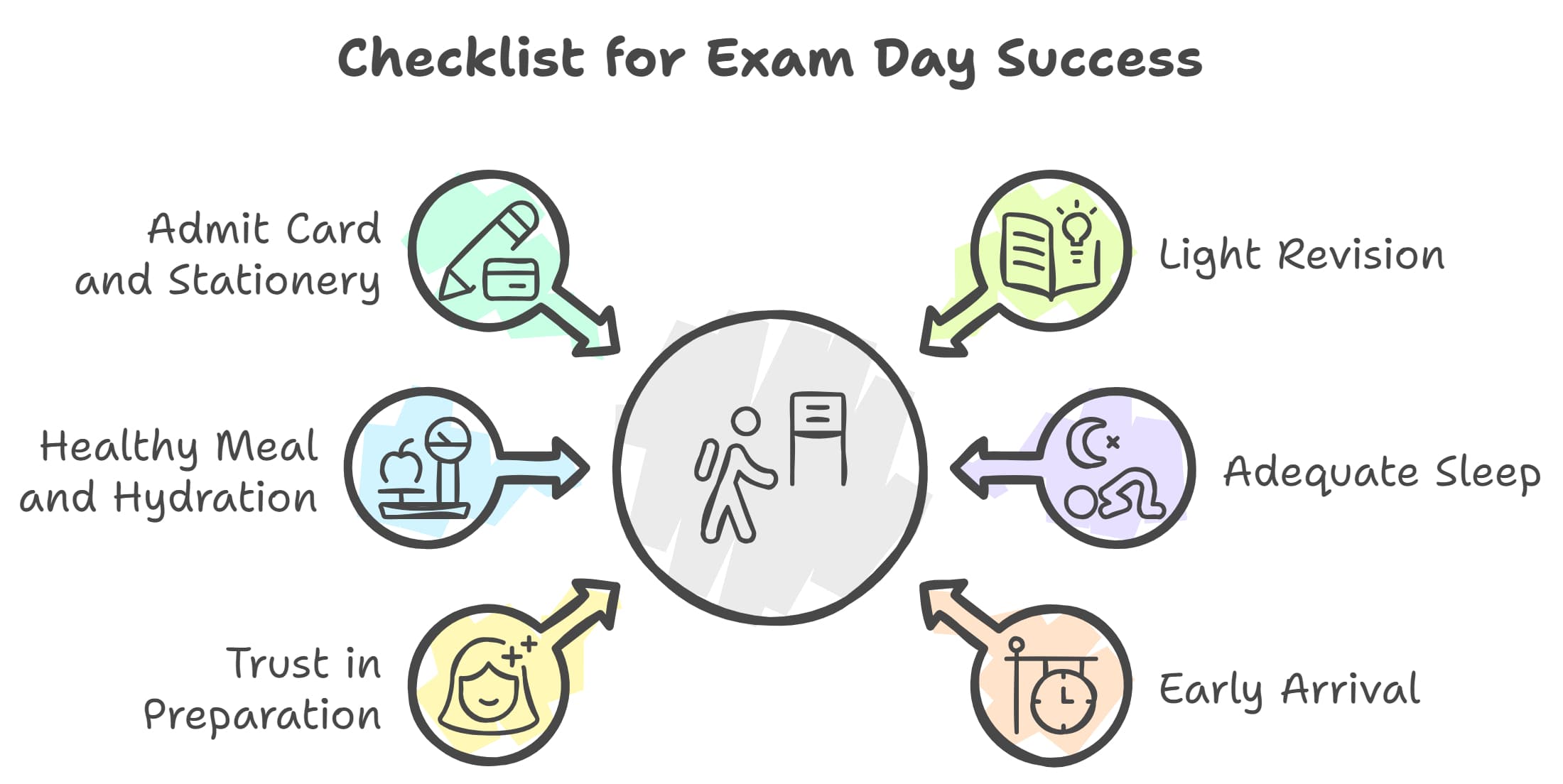
Do not wait until morning to arrange essentials. Keep your admit card, extra pens, pencil, eraser, sharpener, scale, and transparent pouch in your bag the night before. Preparing in advance prevents last-minute panics.
Revise important formulas, keywords, diagrams, and short notes. Avoid learning new topics or solving full papers. This time is for reinforcement, not overload.
Have a light, balanced meal and drink enough water. Avoid junk food that may cause discomfort during the exam.
Avoid late-night cramming. Rest improves the performance more than last-minute cramming. Proper sleep ensures focus and memory recall.
Avoid comparing your preparation with friends. Stay away from negative discussion and believe in your efforts.
Reach the exam centre well before reporting time to avoid stress. Use the extra minutes to take deep breaths, relax, and mentally prepare yourself before the exam begins.
Remember, the night before and the morning of the exam are all about stability. Stay composed, stay confident, and enter the exam hall with confidence (and of course, your stationery!)
Your performance in the exam hall matters just as much as your board exam preparation. Stay sharp and make the most of your time while maintaining speed and accuracy.
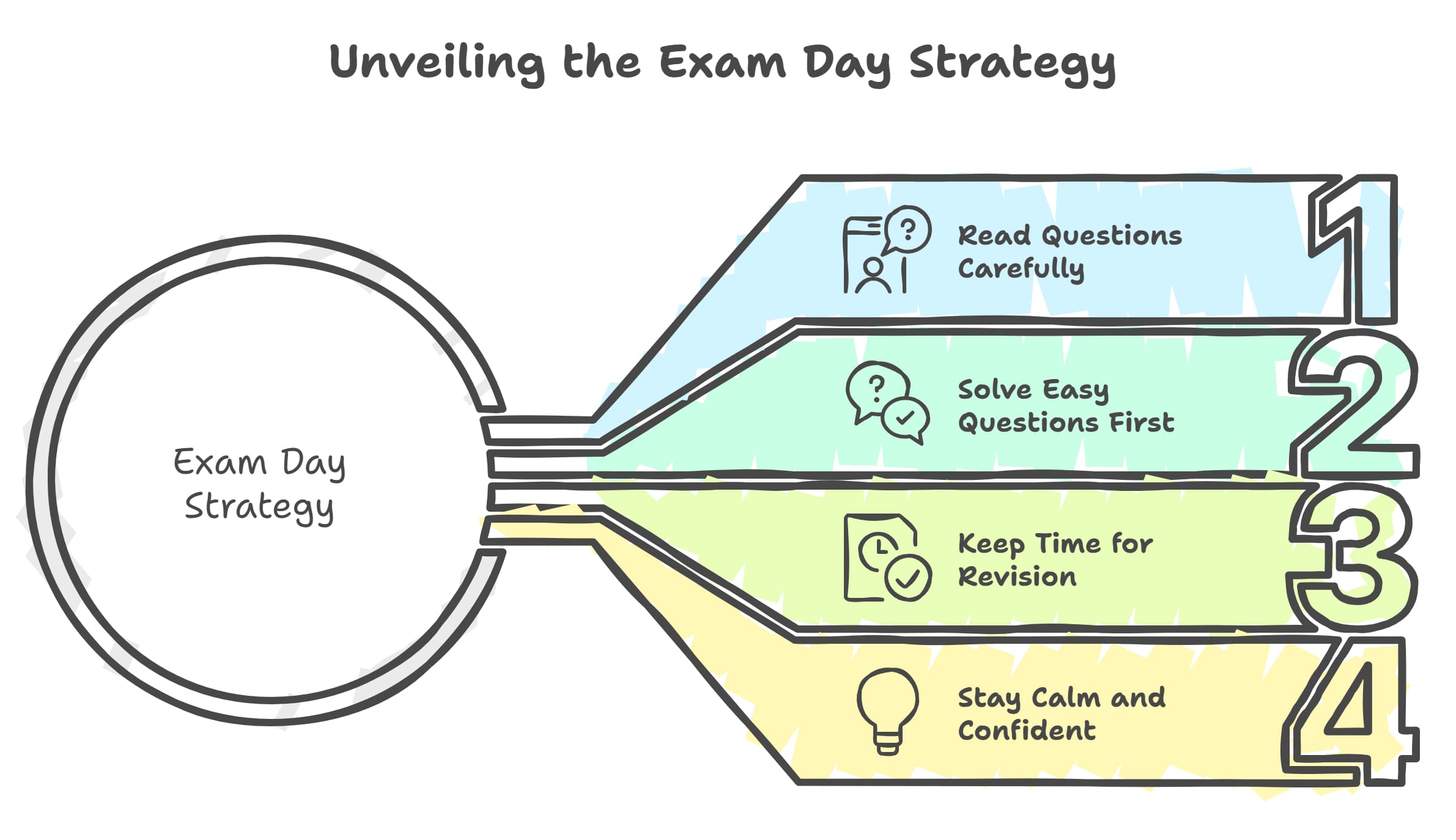
Use the first 10 minutes to read the paper properly. Pay attention to directive words like Explain, Justify, or Describe, and select internal options carefully.
Start with questions you know well. This boosts confidence and secures sure-shot marks early.
Reserve time at the end to double-check roll numbers, question numbers, diagrams, and units. Small errors can cost easy marks.
If you get stuck on a question, don’t panic. Move ahead and return to it later with a fresh mind.
These are essential CBSE class 10 board exam tips that help students perform with confidence and a clear head.
The final days before the board exam are about smart revision, strong presentation, and calm execution.
You don’t need to study more.
You need to study wisely.
Follow these last-minute revision tips for your board exams, trust your preparation, and focus on clarity over exam fear. With the right mindset and smart execution, you can confidently aim to top the CBSE board exams.
At Chitrakoota School, we believe that disciplined preparation combined with self-belief creates extraordinary results. You have prepared for months. Now is the time to perform.
Stay focused. Stay calm. And you will do well.
Wishing you success and confidence for the CBSE board exam 2026!
Study 7 to 8 hours daily with short breaks. Spend more time on revision, previous year questions, and weak areas. Follow these CBSE exam tips to maximize results wisely. Remember, the key is productivity, not long study hours.
Write answers in a clear and structured manner. Present in points, underline important keywords, and stick to the word limit. These CBSE board exam writing tips help score more marks.
To avoid panic during last-minute preparation, follow a simple revision timetable and avoid learning new topics at the last moment. Focus on strengthening what you already know and practice deep breathing to reduce exam anxiety and gain focus.
The most common mistake during last-minute preparation is jumping to new chapters instead of revising completed ones. Students also ignore previous year questions and underestimate the answer presentation. Following practical tips for the CBSE board exam class 10 helps avoid these mistakes.
Before the exam, focus on a light revision of formulas, definitions, and key concepts. Keep your admit card and stationery ready, sleep for at least 7–8 hours, and avoid negative discussions. These final CBSE class 10 board exam tips ensure clarity and confidence on exam day.