Communication skills are no longer optional but an essential aspect to thrive in today’s CBSE learning environment. Be it classroom discussions, presentations, group projects, or future interviews, the ability to communicate ideas confidently and effectively plays a defining role in a student’s journey.
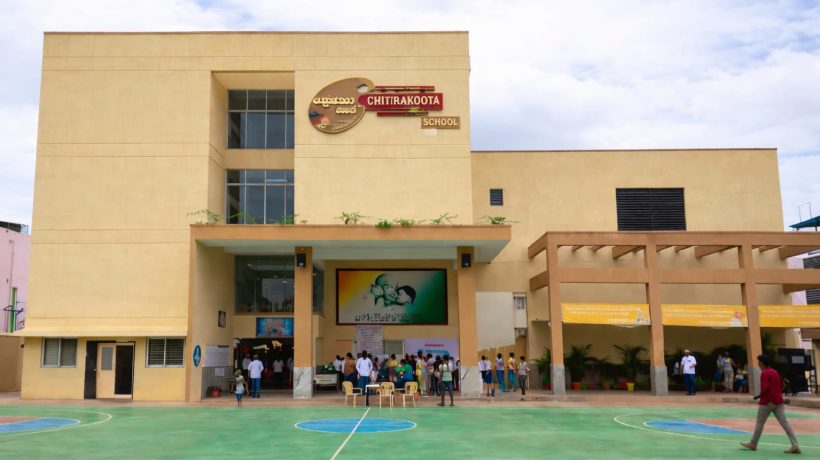
Recognizing this shift, schools aligned with the Central Board of Secondary Education are gradually moving beyond rote learning and focusing on activity-based education. Schools like Chitrakoota Group of Institutions are already leading this change by integrating communication into everyday learning. Simple, engaging communication activities hold the power to turn hesitant learners into confident speakers.
Let’s explore some powerful interactive communication skill activities that make learning both fun and impactful!
The CBSE framework emphasizes holistic development, and communication sits at the heart of that vision. Communication is the combination of listening, understanding, responding, and expressing ideas effectively. But hey, the catch is that it cannot be taught simply through textbooks. Students don’t learn it by reading but by doing it.
Students who speak learn confidence, students who listen learn perspective, and students who participate learn both. And this is what wonders that communication activities do. It helps students organize their ideas logically, share their thoughts without fear, and enhance their listening skills by paying attention to others’ perspectives.
And when communication is practiced through fun activities, it becomes natural rather than forced. Let’s explore some of the most exciting ones that you can try!
If you want your students to really sharpen their communication skills, you have to get them involved in the learning process. Instead of passive listening, interactive activities encourage students to speak, listen, think, and respond in real time.
Here are some activities that make communication practice engaging, practical, and effective for CBSE students by building confidence and picking up skills in a fun and structured way:
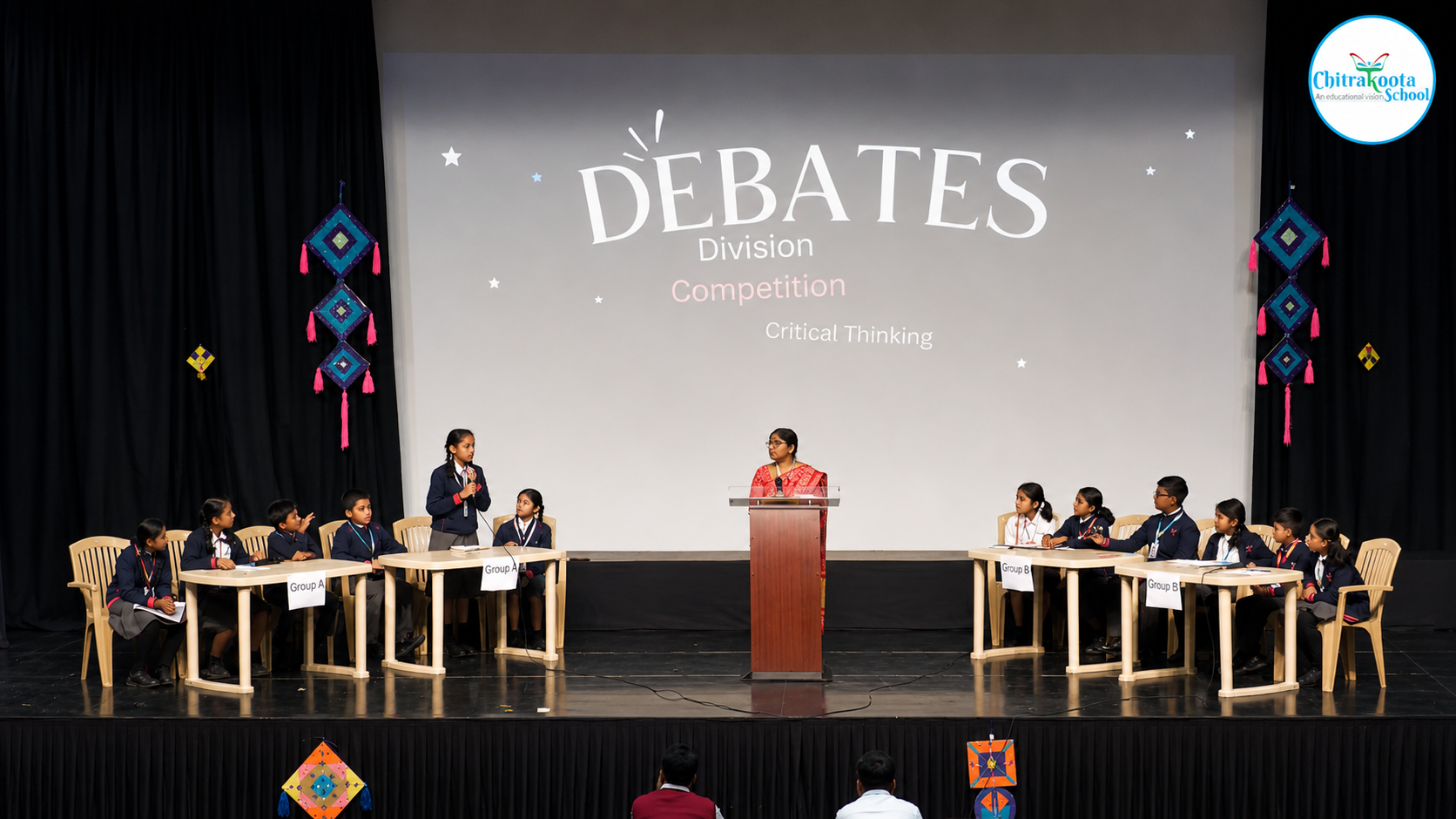
Whoa, debate time! Debates are a classic yet highly effective way to build strong communication skills.
How does it work?
Divide the class into two groups and assign a topic. For example, homework should be optional. One team will present an argument in favor of the topic and one against.
Benefits:
Debates are one of the best ways to build critical thinking, improve public speaking skills, and teach students to articulate and defend their opinions. It also encourages respectful disagreement, an essential life skill.
Make it fun:
Organize the debate competition class-wise. Ask the teams to switch sides after the first round, which means those who argued in favor will now argue against, and vice versa.
Listening is often overlooked, yet it is a crucial part of communication.
How does it work?
In this activity, the teacher reads out a passage, tells a story, or gives a set of instructions, and students have to pay close attention. Afterward, they answer questions or complete tasks based on what they heard.
Benefits:
This sharpens focus and helps them catch details, so they actually process the information instead of just hearing it. It makes them better at giving thoughtful responses in conversations, too.
Make it better:
Add audio clips, storytelling, or real-life scenarios to make this activity more engaging and relatable.
Creative monologue is all about letting students express their thoughts and emotions through individual speaking.
How does it work?
Students are asked to speak for 1–2 minutes as a character, object, or personality. For example, they could pretend to be a historical figure, a tree, or even a smartphone and then present their monologue.
Benefits:
This activity enhances imagination, boosts confidence, and improves fluency. It also allows students to experiment with tone, expression, and storytelling. Over time, students become more comfortable speaking in front of an audience without hesitation.
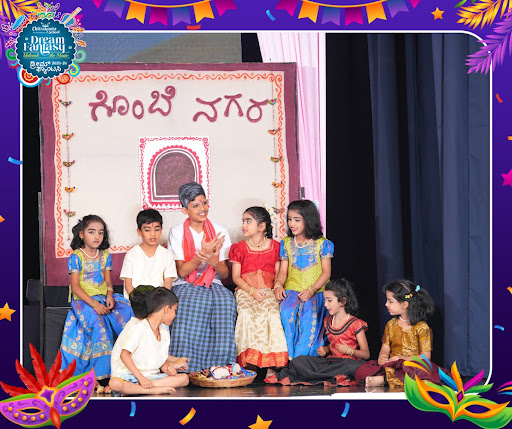
Story circle is a creative communication activity that builds both speaking and listening skills.
How to play?
Make groups of students and instruct each group to sit in a circle. One student starts a story with a sentence, and then other students add a new line continuing the story.
Benefits:
This communication activity enhances imagination, improves sentence construction, and encourages active listening. Students must pay attention to the storyline to contribute meaningfully.
Creative twist:
Introduce themes like “adventure,” “mystery,” or “future world” to make the activity more exciting and structured.
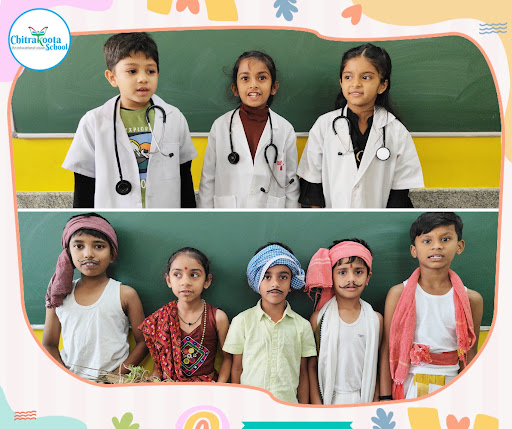
Role play lets students jump into a real-life scenario and try out their communication skills to handle things in a creative environment.
How to play?
The teacher will give students a hypothetical scenario, like a doctor-patient conversation, a press conference, a customer service interaction, or any professional role where one student acts as interviewer and the other as candidate. The students will perform the play in front of the class, and the teacher will provide general feedback.
Benefits:
This communication activity can enhance confidence in speaking and encourage students to develop empathy and understanding of different perspectives.
Make it real:
Allow students some time to prepare their question or answers and dress up according to the situation or role to add a touch of realism to this activity.
Creative class assembly is not a single activity but a combination of various activities that promote verbal and nonverbal communication skills in a unique way.
How does it work?
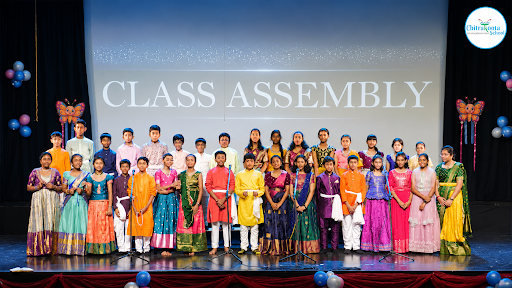
Students participate in activities such as delivering speeches, presenting news, performing skits, or sharing thoughts on a theme among a larger audience.
Benefits:
This helps students build confidence, improve public speaking skills, and learn how to express ideas creatively. They also encourage teamwork and reduce stage fright over time.
Do it Chitrakoota way:
Encourage students to present what they have learned from their textbooks creatively through dance, speeches, skits, poetry, and other cultural expressions, as seen at Chitrakoota Group of Institutions. This makes learning more engaging and meaningful, as students don’t just study concepts but also express and experience them.
Want to get the best results from the communication activities? Here are some tips that schools and teachers can follow to achieve the desired outcomes:
When students feel supported, they naturally become more expressive and engaged.
There is no denying that communication is one of the most important skills students can develop. Sure, it can not be developed overnight. Then? Practice, participation, and experience are the essential factors to level up communication skills.
Interactive activities like blindfold instruction, debates, monologue, listening comprehension, class assembly, and all the other activities covered in this blog can transform the classrooms into dynamic spaces where students express, learn, and grow holistically.
As CBSE education continues to evolve, schools like Chitrakoota Group of Institutions that prioritize communication prepare students not just for the exams but for real life beyond the classroom. Because in the end, when children learn to express, they learn to lead.
So, go ahead, try these fun interactive communication activities and see the silent classrooms turning into confident voices. And don’t forget to let us know which communication activity for students you liked the most!